Author Archives: murpher2

The Hard Discussion About Your Familial Past

Hello! So sorry to be gone for so long. Been a busy Spring and Summer. Now I can concentrate again on my family history and the blog.

That being said, I am going to go WAY off topic today to discuss something that has been weighing on my heart. Two things have happened this summer that have me in deep contemplation: a church shooting and a denial of family history.

The first event was the tragic shooting at the Emanuel African Methodist Episcopal Church in Charleston, South Carolina. This occurrence hurt my soul. However, my heart has been inspired by the true Grace the congregation has shown during this difficult time. Mankind’s violence against each other has been a constant throughout history. We cannot change history, but we can know it and use our knowledge to improve the future.

I grew up with the “American Melting Pot” ideology. I feel my personal beliefs in racial equality are grounded. My racial heritage is varied. My husbands’ heritage is too. My son is stereotypical Heinz 57. Our little family discusses equality often, but I forget that I live in a self-made bubble of protectiveness.

One morning in June, I finally got up early enough to watch the news only to see the church tragedy unfurl. I cried. The day moved on and I started to ask myself “How do violent acts like South Carolina happen? What causes a young man to want to hurt a group of people in 2015?” The blame game started whirring in my mind; “Didn’t anyone notice? Did he always have these tendencies?” Soon those thoughts took a turn.

I actively work to be cognizant of my behavior, but what about other people who are careless with the words or attitudes they convey? I can easily see, in my own family and friend circles, those comments and quips that promote racial/socio-economic…what is it? Differentiation? Need to be better than others?

Over the last 30 years of my research, I have heard friends and family say the following things:

    • Our aunt told us we were getting too dark in the sun. Being dark was not a good thing.
    • Well, she might call herself Mexican-American, but I’m not.
    • I’m pretty sure we are more Spanish than Indian.
    • It’s weird, he’s half Portuguese, half-Mexican, but he hates his Mexican side.
    • We don’t want him to marry into that Cherokee family. (Aren’t you part Cherokee?) Well, yes, but that was a long time ago.
    • I’m Hispanic, but I’m not like “those” kind of Hispanic people.
    • No one is going to make me say politically correct things. I’ll say what I want to say. Screw them.
    • She got teased for being a blonde Mexican.
    • You can’t speak Spanish? Seriously?
    • When I asked if we were part Jewish, he just winked at me but would NEVER admit it.
    • We are part of the struggling. We are the oppressed. It’s the wealthy whites who are holding us back.
    • You are not Mexican. You are white-washed.

Most of my family would think that they are on the tolerant side of this issue. But even the most liberal of freedom fighters make quips that, if examined carefully, smell vaguely of judgement when it comes to the wealthy in our country. And it is these passing phrases, comments on social media, discussions over coffee, that have made me wonder if we unknowingly create these issues in our country?

What if the above phrases came up in casual conversations, dropping into the minds of others in the room? A simple seed planted. And what if one of those seeds sprouts? Takes root? Occasionally, humans are known to feed the wrong thing. Add a little Self-Righteous Indignation, some Perceived Wrong-Doing against us by some group, then with either a loud boom, or a quiet click, violence can spark. Maybe pent-up feelings emerge, taking those who don’t know what to do with their angry emotions into dark places their family never thought they would go.

The second story in the news was Ben Affleck not wanting the PBS show “Finding Your Roots” to share that he had slave owners in his family. This isn’t related to the shootings in South Carolina, but stick with me here. Mr. Affleck’s lobby to get his familial results tweaked so as not to show the darker, yet historical, side of his family in America saddens me too.

Besides my maternal family tree, I tend my Mother-in-Law’s tree as well. Her family is fun to research because: Americans were great at documenting, I can read every page as the documents are in English (my shame of not speaking/reading Spanish,) and her tree has been in the U.S. pretty much from the beginning. Her Revolutionary War veteran great-grandfather was a New Jersey slave-owner.  She has a great-grandmother who was a cousin to Abraham Lincoln.

Do I hold the now considered “sordid slave owner” information back from my son? Do I just talk up President Lincoln because he signed the Emancipation Proclamation? This is where I make a decision to talk with my son about those who came before him, their life choices and what my hopes are for his walk in this world. I can help him feed positive seeds.  I think Mr. Affleck could have said something to the effect of: “I’m not necessarily proud of what they did. It was the time they lived in. My family didn’t stay slave owners. They changed. They grew. And their experiences influenced who I am today.” My MIL’s great-grandfather did free his slaves, by the way.

I am from a very patriotic family. My dad fought in the Korean conflict. We love the United States. But make no mistake, I was made fun of in school when kids asked me “What are you?” and I answered “I’m American.” As most American families emigrated from somewhere else, this was never a good enough answer. Humans are notorious for categorizing each other. For putting each other in boxes. After working this hobby for sometime, I can now answer with more definitive clarity where my people came from.

I have found peace with the journey of being an American who values the trials and tribulations of those who came before me. There are very few of us who will be related to kings and queens. A relative might have been rich, poor, black, white, super smart, not too bright, and even of different faiths. When a person investigates their genealogy, they might find an invader of a country married an indigenous person. And even that love could have even been reciprocated between the two. Gasp! Colonization isn’t always “rape and pillage.” Their decisions in regards to family came from their time and culture. We need to learn to accept our familial “good, bad and ugly.” Those who made me who I am today get my respect for being who they were. As our ever-morphing values and culture changes, I am certain one day I will want that same courtesy.


Albert Charles Escalante – Part III – Edith Edwards

Alberto “Tony” Escalante had been boxing for a while, traveling the world. Soon, his personal life started to take shape. He had met a woman. They had an affair and she became pregnant. He didn’t marry her. She instead chose to marry a man who would later become a District Attorney for San Diego. The man adopted the girl as his own.

Tony decided that he didn’t want to have any more children. He had a vasectomy. Now, if you are a first cousin to me, you know this did not work. Our grandfather was truly taken in by someone. I just hope it wasn’t too painful a procedure. But let’s pretend we are with him in the 1930s where he believes that he is now impervious to children.
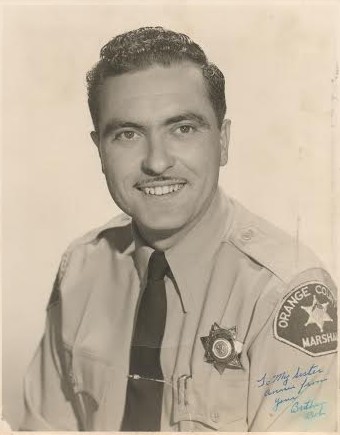
Tony must have been living in the Los Angeles area around 1935. He was probably doing what work he could being in the depression. It was around this time that he went to a fair. He saw a woman that he was struck with. He asked her to take a ride on the Ferris wheel with him. And that was it. For many years this is all I knew about her, except that her name was Edith Edwards. And she became his first wife.

*The following narrative could not have been accomplished without the kindness of Edith’s granddaughter. I will keep her name anonymous. But her assistance with this story was priceless.*

Edith M. Edwards was born September 1, 1896.  She was married twice before marrying Alberto. The first time to a Mr. Innis Millar, who had been born in Scotland. They were married on June 4, 1914. She had two children by Mr. Millar, William and Allene. Edith divorced him before 1920, when the children were toddlers. Edith’s parents, George and Sarah, took care of the kids while Edith worked as a waitress on a river boat that traveled the Mississippi from St. Louis to New Orleans.

She then remarried a Mr. Whitworth, of whom I can find no additional information. He wasn’t apparently the nicest of men. Allene had no love lost for this step-father, and was glad when her mother divorced him by 1930.

Edith and her whole family decided to make the big move from St. Louis to California. It was quite the expedition. Once the family settled in, they had a photo taking day. The first picture is the whole Edwards clan. They were a Midwest bunch through and through.

The Edwards Family, California, 1930s.

The Edwards Family, California, 1930s.

The only ones I can name are George Edwards (far left), Sarah Isabelle Edwards (next to him), and Edith (first on left in the top back row). George and Sarah are her parents. This picture was courtesy of a family tree owner at ancestry.com.

Allene Miller (left) with Edith Whitworth (right). Two friends in background.

Allene Miller (left) with Edith Whitworth (right). Two friends in background.

The above picture came from the photo shoot on the same day. It was sent to me by Edith’s granddaughter.

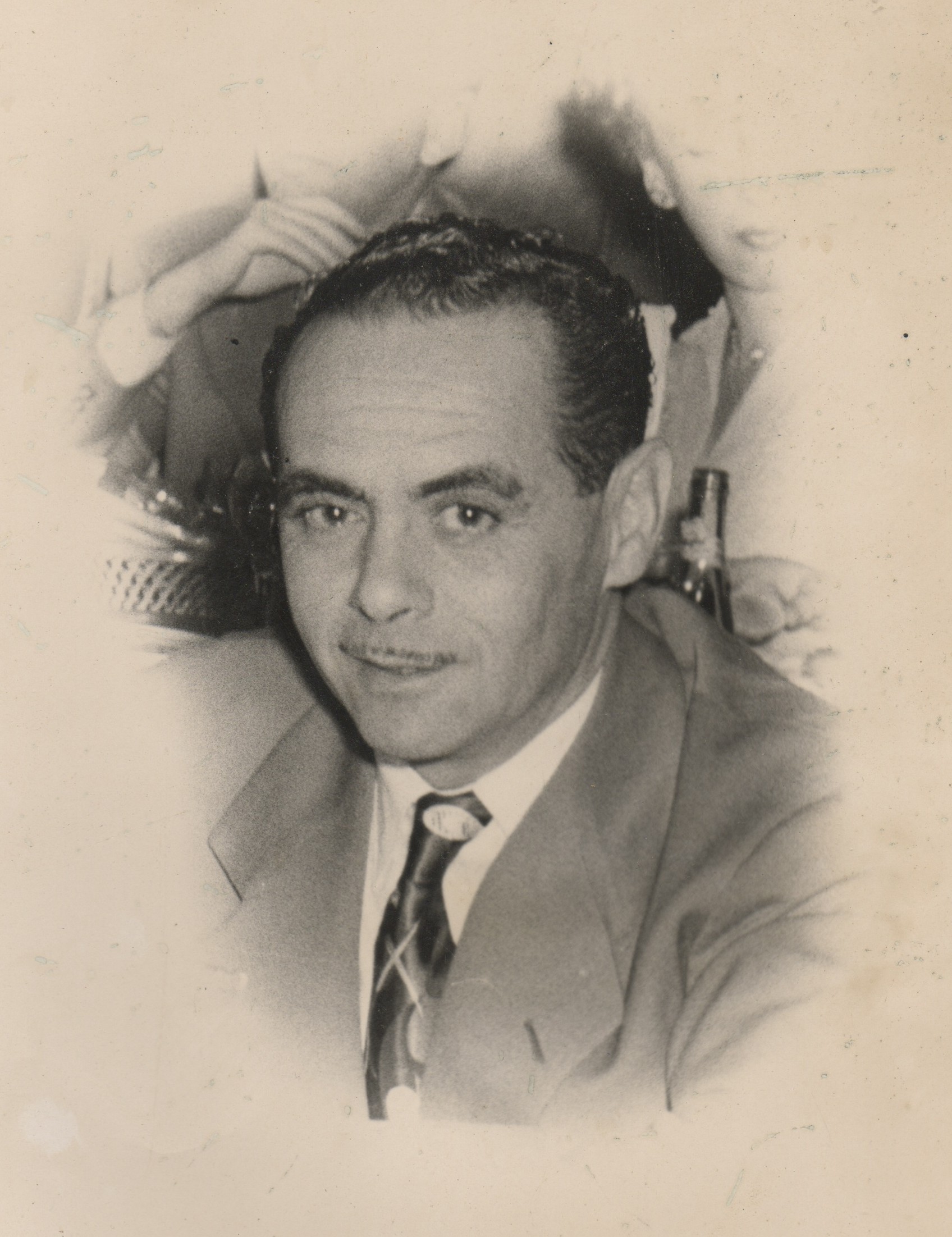
So, back to Alberto. He decided to marry this lovely woman. This is a picture of him in the 1930s. With the expression on his face, and the fact that this picture was cut in half, I would bet some very serious money (and I’m not much of a gambling person) that Edith was in the other half of the portrait. If you look closely, you can see a person on his left, sitting quite close.

Albert Charles Escalante - 1930s.

Albert Charles Escalante – 1930s.

My grandfather’s name at this time becomes very important. He wasn’t born Albert Charles, but he did choose this name. It is when he married Edith that his name change became official. His Social Security application form, his marriage certificate, and voter registration all show that he became Albert Charles Escalante (ACE). He continued to hold the nickname “Tony.”

The official marriage certificate. May 15, 1936.

The official marriage certificate. May 15, 1936.

So, they got married! Their witness was Albert’s new step-daughter, Allene. He was caught in an interesting situation. He was 9 years younger than his new wife, and 9 years older than his step-daughter. Allene was on her own by the time her mother married. She also appeared to be pleased with the union. “We knew they were happy and that mother liked Albert,” her granddaughter wrote.

She also wrote this “I also think a family ring which mother said was Edith’s engagement ring came from your grandfather.” Allene’s daughters split the ring. The eldest has the original stone in a new setting, and the younger has the ring with a vintage stone put in it. It’s lovely to know that he gave them a something for the girls to treasure.

LA Voter Registration - 1936.

LA Voter Registration – 1936.

The two settled into married life.  The above is a copy of their voter registration. They lived at 4479 1/2 Whittier Blvd, in East Los Angeles. Albert was a nurseryman and a registered Democrat. Edith was a housewife and a registered Republican. I have looked at this sheet many times. But just this last time, I glanced “around” the form. Listed a few people above them, was Mrs. Sarah Edwards, Edith’s mother, who lived next door.

Allene was already older when they got married. Soon she was married and starting a life of her own.

Allene and Paul get married.

Allene and Paul get married.

Edith’s granddaughter said that Albert made sure Edith had whatever she wanted. The granddaughter knew he was a boxer. She had heard he took on small fights to earn extra money.

However, their time together wasn’t going to last long. Edith contracted Tuberculosis. She was admitted into Sunland Sanatorium.

Sunland Sanatorium - 1930s.

Sunland Sanatorium – 1930s.

She passed away there on October 4, 1939. They were married for 3 years, 5 months. She was buried at the Rose Hills Cemetery. My mom and I were able to visit her grave in 2010.

Edith Escalante's Tombstone, Rose Hills Cemetery.

Edith Escalante’s Tombstone, Rose Hills Cemetery.

Up until the visit to her grave, I had NO idea Edith had been mother. Luckily, Allene and William noted “Mother” on Edith’s grave marker. I stared at this. We walked away that day wondering if she and Albert had children together. No, they hadn’t. I did manage to find Allene, but 5 years too late. She did leave behind two lovely granddaughters that were willing to share her story with me. Their kindness in this endeavor overwhelms me.

Albert loved Edith. Even when he married my grandmother, he still wasn’t completely over her. My mom’s middle name is Edith. Albert chose to make it the name they called her every day. Hopefully it ended up being a bittersweet way to remember this woman who made such an impact on his life.

Albert Charles Escalante – Part II – The Boxing Years

In the 1920s, before the Great Depression, Alberto decided to become a boxer. He had been training only a short amount of time before he started taking on fights. He began to be noticed with the small bouts he had around the Imperial Valley region. He was a Featherweight, which tops out at 126 pounds. His frame was always petite.

The opening page of his scrapbook.

The opening page of his scrapbook.

Being between 17 and18 years-old when he started out must have been difficult. He had to put the time in to work himself up the ranks. To get the “better fights.” The articles that were placed in the scrapbook don’t have specific dates, but they must have been early 1925 before his bigger bouts were documented.

Somewhere before this, Alberto started going by the name of Tony. His official boxing name was Tony Escalante. The promoters seemed to have a hard time finding a perfect nickname for him though.

“Young Escalante, a Mexican lad who appeared in the curtain raisers several times under the name of Young Rivers, brought a roar of applause from the crowd…” “Tony Escalante, the Mexicali sheik, whose schoolboy appearance belies his ability as a fighter, will be seen in the four-round preliminary with Young Richards….” He was also called “the Calexico flash fighter,” “the Mexicali flash,” and “Calexico’s speed ball fighter.” Not bad. The name that did end up sticking was “The Mexicali Kid.”

Editorial Commentary: One thing that did pop out at me during this research were the racial slurs that were printed all throughout the newspapers. While the need to delineate between races must have been very necessary at the time, the reporters do give compliments on the athletic abilities of those fighting. Tony had beaten one Dick Gurtia during a semi-final in August, 1925. Here is an excerpt from the paper: “Despite the Latin name, Dick is Chinese and anyone who thinks that the Chinese cannot fight is crazy. They must be the Irish of the Orient.” This appeared to be a round-about compliment to Mr. Gurtia and Irish boxers.

Moving on!

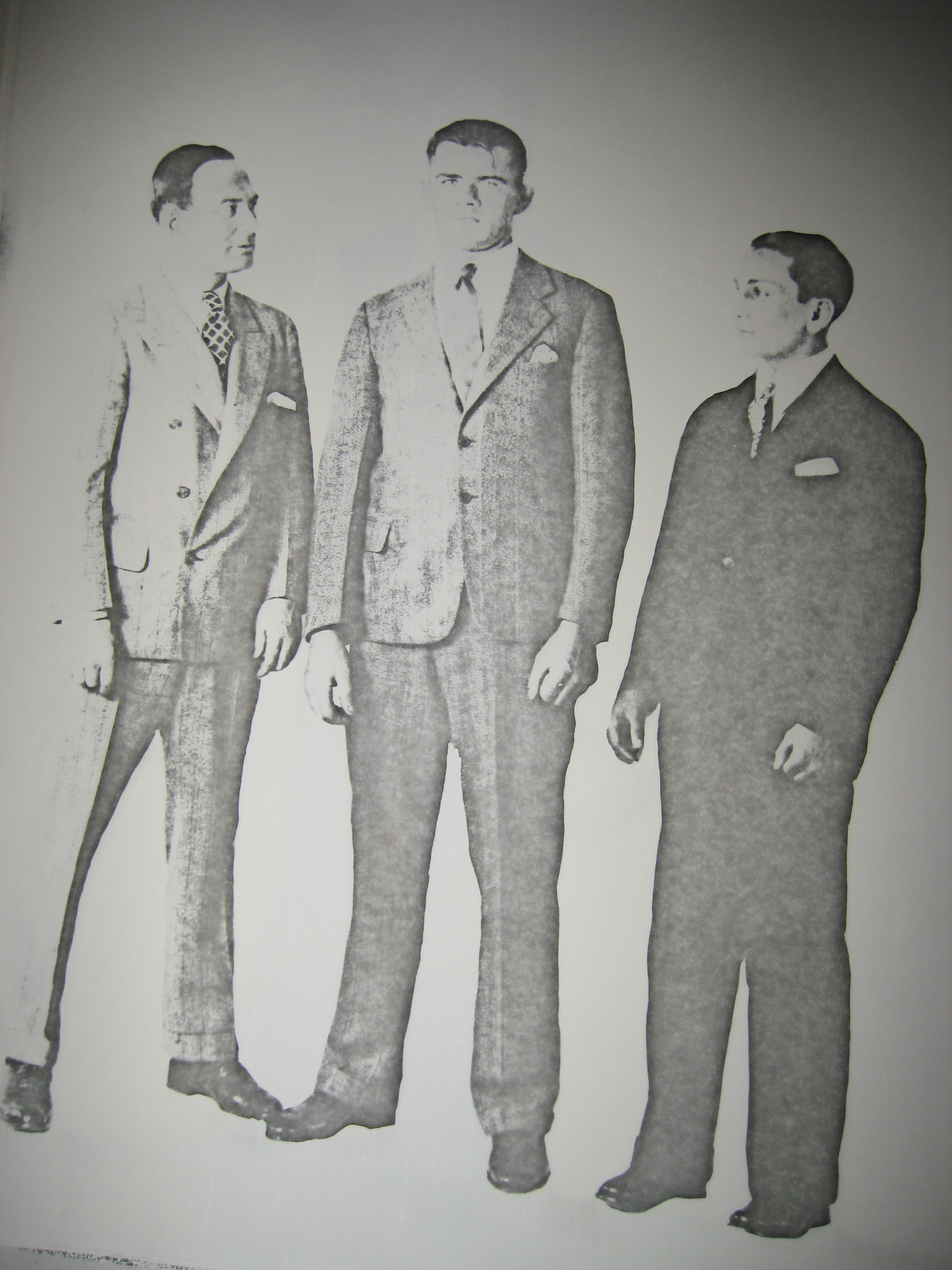
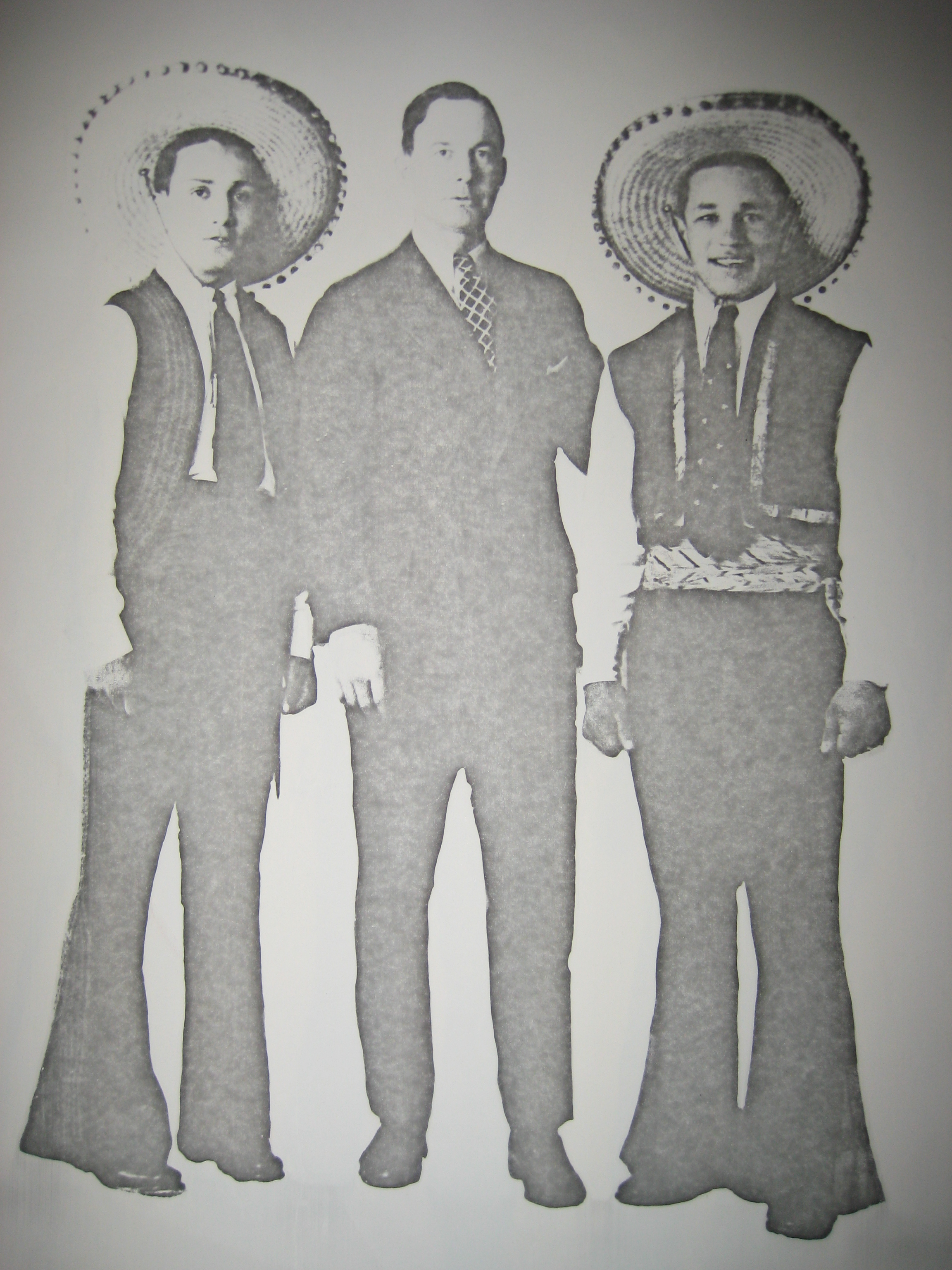
Here are a few promotional pictures of Tony “The Mexicali Kid” Escalante.

The promoter, the Opponent and Tony Escalante.

The promoter, the Opponent and Tony Escalante.

Okay, maybe the man in the middle isn’t an opponent. He looks really tall. This next guy then?

Tony Escalante and Opponent (?)

Tony Escalante and Opponent (?)

More publicity shots. (Tony on left)

More publicity shots. (Tony on left)

I have been a big fan of search engines in my familial searches. Nothing will ever freak you out more though when you type in: Tony Escalante boxer 1920s, only to have information pop up!

http://boxrec.com/list_bouts.php?human_id=81762&cat=boxer

This page has his official career from October, 1925 to June, 1932. It gives his stats,  fights, wins, losses. Then I happened to find articles about this boxing matches. Here are some highlighted quotes about him and his boxing:

“Escalante is one of the cleverest little fighters that is being developed today.”

“Anyone who says Tony is not a good fighter is crazy. The boy has never been given any ring instruction, picking up all he knows by watching other fighters. He is a natural-born scrapper and is able to hit from any angle.”

“Near the end of the first round, Tony caught Lee coming in and lifted him off his underpinning with a well-timed left upper cut squarely on the button.”

“Tony keeps on proving each time he appears in the ring that his is a topnotch fighter, and it going to be a mighty good boy that takes his measure.”

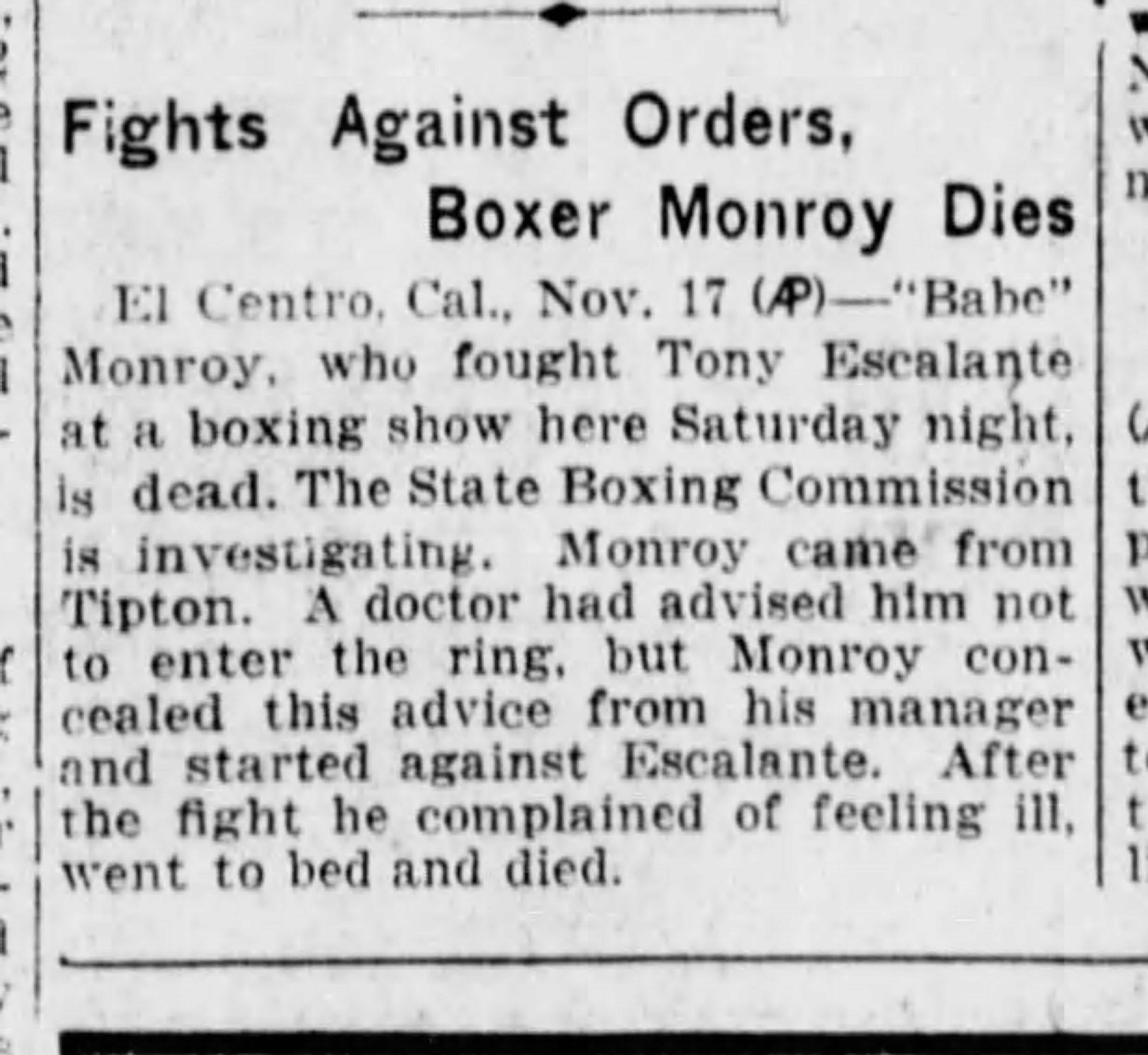
Early in his official career, Tony went up against an opponent named Babe Monroy. They fought in El Centro. It made national news.


November 1927 - The Brooklyn Daily picks up the AP wire.

November 1927 – The Brooklyn Daily picks up the AP wire.

There was an autopsy ordered. Tony was cleared of murdering Monroy. The night of the fight the press reported “Tony really won the fight in the fourth when he clipped Monroy a terrific wallop in the body that took all the vitality out of him…Monroy was more badly hurt than the crowd believed and he didn’t deserve the booing that he received.”

I’m sure this turn of events influenced Tony deeply. However, he continued to fight. Tony said he was a regional Pacific Coast champion in 1926. I have been unable to find any articles on this information. His career seemed to go well until he did more traveling around the country, starting in 1928. His very publicized bout with Joe Diaz in El Paso, Texas, was his last big win.

elpasoprefightpromotion4181928 – promotional article

And this great article has a photo! El Paso Herald, 1928.

And this great article has a photo! El Paso Herald, 1928.

Tony won this fight. On a foul. But won nonetheless.

elpasoaftermath4281928 – another pdf.

Once he started to travel to the East (Ohio and Indiana), he started to accumulate more losses. There appeared to be a hole in his career. He fought in San Diego in 1929. He fought again in June of 1932. When I interviewed him in 1981, he told me that he had traveled to Europe, Japan, the Philipines, Australia, Hawaii and Mexico. Maybe he went into the big world during those three missing years. I can find no records of his travels. Anywhere.

His professional career ends in 1932, per http://boxrec.com. However, he does box on the side up into the late 1930s. He claims to have known actor Anthony Quinn when Quinn was a boxer in East Los Angeles. Tony’s home in 1937 is close to where the Anthony Quinn Memorial Library is located. If Tony was still haunting athletic gyms looking for bouts, this is very probable.

Tony told me the only “career” he had was boxing. 10 years of physical and mental training and getting to see the world. Quite amazing.

Tony Escalante. Boxer.

Albert Charles Escalante – Part I

I have to be honest, this is going to be one of the hardest people to write about. Albert Charles Escalante is my grandfather. I love him very much. Notice my verbs are active, not passive. I love him. I don’t work on the Escalante family history for him, but to try to find out the “whys” of his choices, which inadvertently have impacted my life. You can learn much from a persons’ background. As much as we try, we are formed in the experiences of those who lived before us.

Via Facebook, I am friends with so many cousins, aunts, and uncles. Each has their own story about why they love him. But there has never been one to say anything negative about him. His life was simply fascinating. He lived several lives, in various segments. I remember him as the quiet grandfather smoking in his rocking chair during the holidays. When there were too many kids running around the house, he could be found reading in his bedroom.

I will work to provide the facts, those items that I can document. I have a feeling I have found out many more things than he ever wanted me to know. It makes me see him as human. And then there are those times were I want to say, “Papa! You’ve got some explaining to do!” So I guess it’s time to begin.

The 7th child of Leonardo and Rufina, Alberto Bernardo Escalante was born in El Rio, California on August 20, 1907. His middle name was a mystery, as he dropped it later in life. Saint Bernard’s feast day is on that same day. After seven children, it may have been difficult to find new names.

Albert's Baptism Paperwork.

Albert’s Baptism Paperwork.

His Godparents are listed as Mr. and Mrs. Eduardo Gonzalez of Oxnard, CA. The Gonzales family owned a ranch whose frontage road became Gonzales Road. According to US Census Reports, Mr. Gonzalez was a horse trainer. He was also Godfather to Tia Panchita, Albert’s older sister.

The earliest picture I have of Albert is with his brother, Ruben.

Alberto and Ruben, El Rio, CA, around 1910.

Alberto and Ruben, El Rio, CA, around 1910.

He was in the 3 year-old range at that time. He grew up close to the Romo family. His cousin Rodolfo would have been one of his good friends, being born around the same time and the families being so close.

Leonardo (his father) and his Uncle David owned pool halls. His oldest brother was a barber. This entrepreneurial spirit would be a part of him for a good part of his adult life.

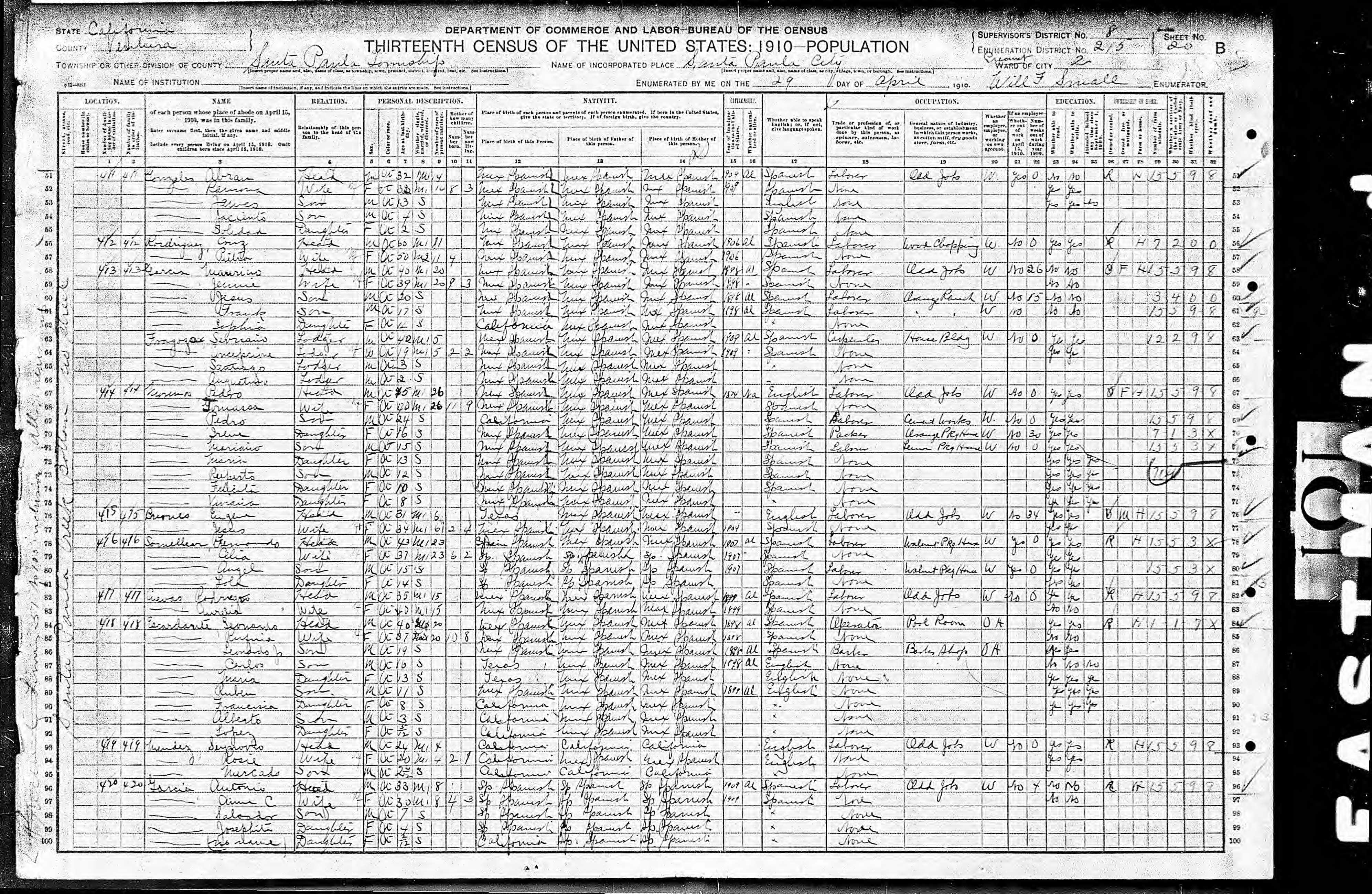
1910 US Census - Santa Paula, CA.

1910 US Census – Santa Paula, CA.

In 1910, the family was living in Santa Paula, CA. Their address was 418 Santa Paula Creek Bottom (no street). He said he remembered taking a wagon with his dad to get supplies for the pool hall.

Both the Escalante’s and Romo’s decided to leave Ventura County. It’s one of those dark mysteries that I haven’t discovered yet. The youngest child was born in Los Angeles in 1914, then they were off to Orange County. This was much upheaval for a boy.

His father died in 1915 when Albert was almost 8. With his older siblings getting married and the need to stay with the Romo family having passed, Rufina took the kids to Calexico, California, by 1919 to be closer to her family.

Rufina with her three youngest children (L to R): Lupe, Fernando and Alberto.

Rufina with her three youngest children (L to R): Lupe, Fernando and Alberto.

You have to squint to see everyone in this picture. This is the only picture I have acquired of Rufina. This is a Border Crossing permit from 1919, when Albert is 12 years-old.

His mother only lives another 4 years in Calexico. According to family “legend,” Rufina has a boarding house during this time. Albert didn’t like school much. He was a perpetual truant, loving to go to a swimming hole on his days off.

He went to Rockwood School and his favorite teacher was a Mrs. Kennedy. “She was strict,” he said. “But she meant right.” He graduated from grammar school and after graduation his academic career ended.

His first job was as a Western Union messenger when he was 15 years old. His mother, Rufina, died while he was at a dance when he was 16. His childhood was over. Tia Panchita would say that he had sand in his shoes. He wasn’t one to just sit still. In some ways he was kind of like his father and brother, Jose.

Soon, Albert realized that he had a gift for fighting. Boxing. It would carry him into the next chapters of his life. Next up: 1925 – 1932. The Boxing Years.

(You can read about his stint in a Mexicali jail and international scandal in the blog post about Guadalupe Escalante in 1927. That happened when he was about 19 years old. There is no need to go into all that again.)


Shameless Plug

Happy almost Fall everyone! I’ve been out of the loop for a while. I had a great summer with my little family.

I have to admit that my family history research was put on the back burner this summer. Gasp! As of right now I do not have anything to report immediately, so I thought I would kick-start my research by putting some names out “there” into cyber space.

I was very fortunate to have a cousin do a random search about her family via a search engine. She found my blog. We are developing a relationship as family. And our respective family branches haven’t chatted since 1919. Almost 100 years ago.

I figured that I would make a shameless plug to get some names “out there.” It’s all about researching smarter, not harder. I would be very interested in hearing from some family members:

It would be neat to hear news about Guadalupe Navarro de Escalante’s  family. She is descendant of Joaquin Navarro and Guadalupe Gurrola de Navarro. They were from Suaqui Grande, Sonora, Mexico. I have chatted with a Navarro granddaughter, but she never remembered Tia Lupe.

I’m looking for Bustamante descendants. My great-great grandmother was: Mariana Bustamante de Escalante (then de Ramirez). Her dad was Antonio Bustamante, son of Juan de D Bustamante. Juan also had a second son named Marcial. They were from Hermosillo, Sonora.

My Tia Maria’s first husband was Hipolito Sepulveda. Two of his children went with him. Elena Sepulveda (born 1917 in Santa Ana, CA) and Maria Luisa Sepulveda (born 1919). Maria Luisa visited her dad’s half-sister, Elpidia Villalovos, and grandmother, Maria de la Jesus Portilla, in the Wilmington area.

There are the Valenzuelas I’m looking to connect with as well. Rufina’s parents were Guadalupe Valenzuela and Francisca Moreno, who apparently had a ranch in Santana, Sonora. Her brother was Jose Maria Valenzuela (married to Armida Palacios). His sister is Guadalupe Valenzuela de Garcia (married to Manuel Garcia). They lived in Calexico and Mexicali. This has been a difficult thing to find out. Escalante’s have lived in Imperial Valley since 1920. These two families drifted apart in a 15 mile radius.

Romo family members from Ures, Sonora, are probably cousins! Any and all can email me.

And then one more family I’m looking into is the Imperial Valley Romo’s. Victoria Romo de Pesqueira (and then de Romo). She was sister to Dolores Romo de Orduño. These ladies were descendant of Ruperto Romo and Dolores Romo de Romo. Cross my heart, these are not typos – they appear to be cousins.

If anyone can give me historical information – preferably with patient file access – about La Rumorosa Mental Hospital, between Tecate and Mexicali, I would be very appreciative.  San Pedro Palominas in Sonora is another deep mystery. Rufina and her son, Jose Maria, were born there. It is supposed to be in the Elias Ranch area. I have only found one reference to it on a map, and that includes maps at the University of Arizona historic maps collection.  I really have been doing this a loooooong time.

That’s about it for now. Maybe I’ll add more to the mix at a later date. Here is too hoping someone gets a bee in their bonnet, searches for something from above and finds out they are stuck with us. Yes. That would be perfect.

Ruben Escalante

I’m not sure why it has taken me so long to write about Tio Ruben. I saw one of his sons on my recent trip to California. I was able to get bit more of his character through that visit. So, without further ado,…

Ruben Escalante was born May 28, 1898 in Naco, Sonora. He was the fifth child of Leonardo and Rufina. His birth shows us that his parents had not found the right place to settle down. Uncle Charlie and Tia Maria were supposed to be born in El Paso. So up from Sonora, to El Paso, to Naco, to Ventura County, the family trekked across great distances in the late 1800s to find a better life for themselves and their children.

Alberto and Ruben, El Rio, CA, around 1910.

Alberto and Ruben, El Rio, CA, around 1910.

Tio Ruben spent his formative years as a California boy. Between Ventura and Orange Counties, he spent the first 20 years with the Escalante and Romo families. When his mother Rufina chose to move the family to Imperial County, he went as well.

Ruben Escalante

Ruben Escalante

I’m sure his life started well before meeting his lovely young wife, but I’m sure she enhanced it. Maria del Refugio Palacios (Tia Cuca) was the daughter of Francisco Palacios and Herminia Sanchez.

The Palacios family was from Santa Ana, Sonora, Mexico, where Rufina’s family also resided. Ruben was older than she was by a decade. She married him and they moved to Mexicali.

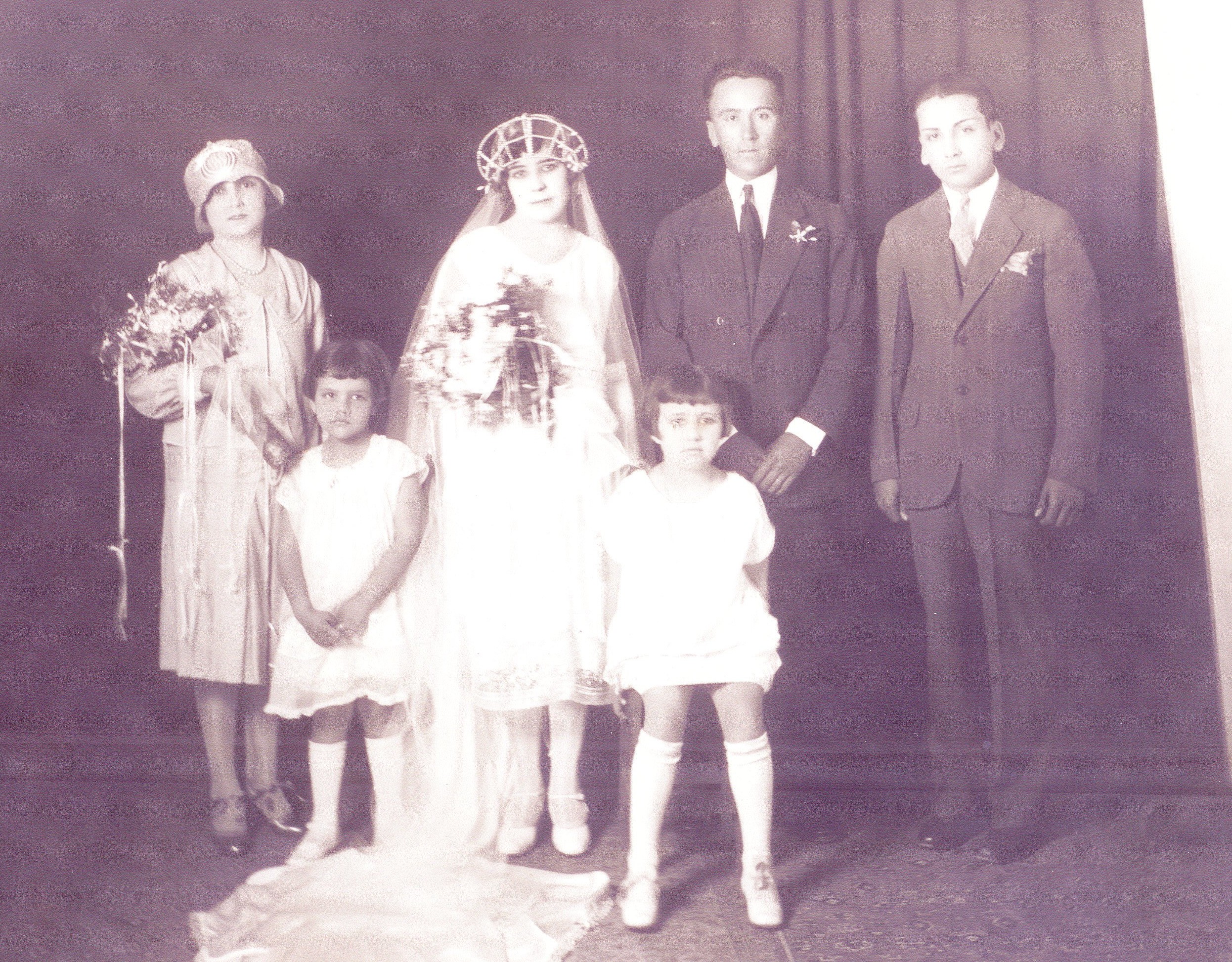
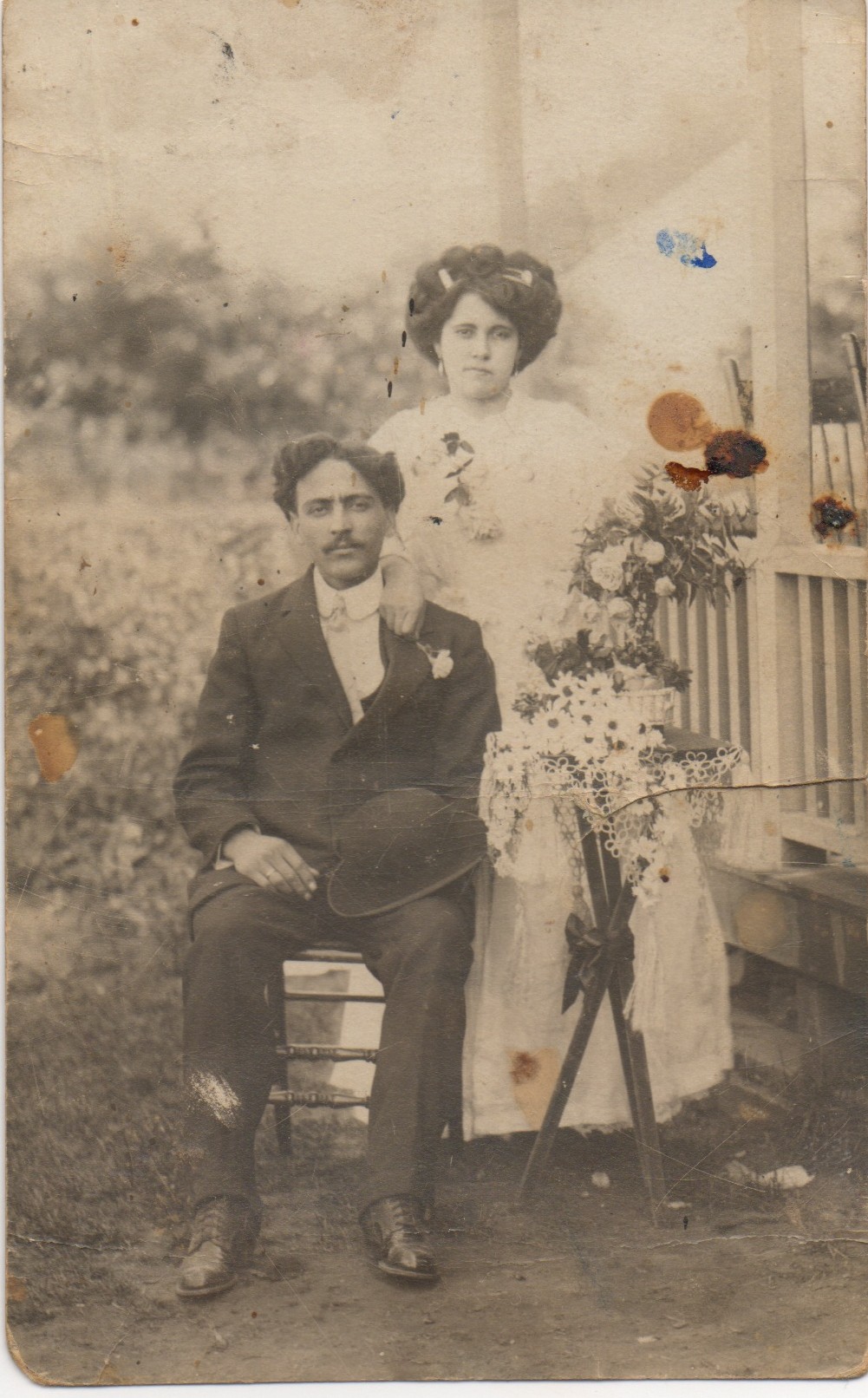
Ruben and Maria's wedding.

Ruben and Maria’s wedding.

The matron of honor was Tia Panchita. The best man was my grandfather, Alberto. The two little girls we have been unable to identify.

In 1930, they lived in Imperial, California. He worked for the Irrigation District as a surveyor. According to the census, they were about 13 years apart.

Ruben and Refugio. Newlywed life in Imperial, California, 1930.

Ruben and Refugio. Newlywed life in Imperial, California, 1930.

Their family started to grow. Their first child was born in 1930. They had 5 children total, two girls and three boys. Family was important to them. When I visited their son in 2009, he shared these pictures.

Son, Tia Cuca, Tia Guadalupe and Tio Ruben, around 1937, Calexico, CA.

Son, Tia Cuca, Tia Guadalupe and Tio Ruben, around 1937, Calexico, CA.

I asked how he had gotten this wonderful picture. Well, he’s in it! So he inherited it. Tia Guadalupe is Rufina’s sister. This is the closest I’ve gotten to seeing what my great-grandmother might have looked like. He also mentioned then that Tia Cuca was related to Guadalupe by marriage somehow, so they were one big happy family.

Tia Cuca, Tio Manuel and Son. Calexico, CA, around 1937.

Tia Cuca, Tio Manuel and Son. Calexico, CA, around 1937.

They were all in a picture-taking mood that day. This is Manuel Garcia, Tia Panchita’s uncle-in-law. (I am very fortunate I can keep all of this straight in my head.)  Here is a nice studio portrait of Tia Cuca and her son. She is just lovely.

IMG_3791

Ruben decided to take his family and settle in Mexicali. He was able to make his money from his job in the US go much farther there. He had a ranch that many people would go and visit. Their son said that he had even met my grandfather’s first wife, Edith, at this ranch. We had never known anyone (besides my grandfather) that had met her.

Tio Ruben at his ranch in Mexicali.

Tio Ruben at his ranch in Mexicali.

His occupation was Hydrographer.

Ruben at work. Dapper moustache.

Ruben at work. Dapper moustache.

Tio Ruben was noted for having a bit of a temper. However, many Escalantes will tell you that they have this trait as well. One famous quarrel he had was with his sister, Maria. Maria had been waiting for their mother Rufina to die. Almost immediately after her death, Maria went and started taking furniture out of Rufina’s house. Tio Ruben was supposed to have gone to her home and taken the items out to the street. He’d rather have strangers take it than let her have his mother’s things. It took many years for them to make amends from this. However, at the end of her life, Maria did come back to Mexicali and they made up.

Tia Cuca, Son Ruben, and Tio Ruben - 1950s.

Tia Cuca, Son Ruben, and Tio Ruben – 1950s.

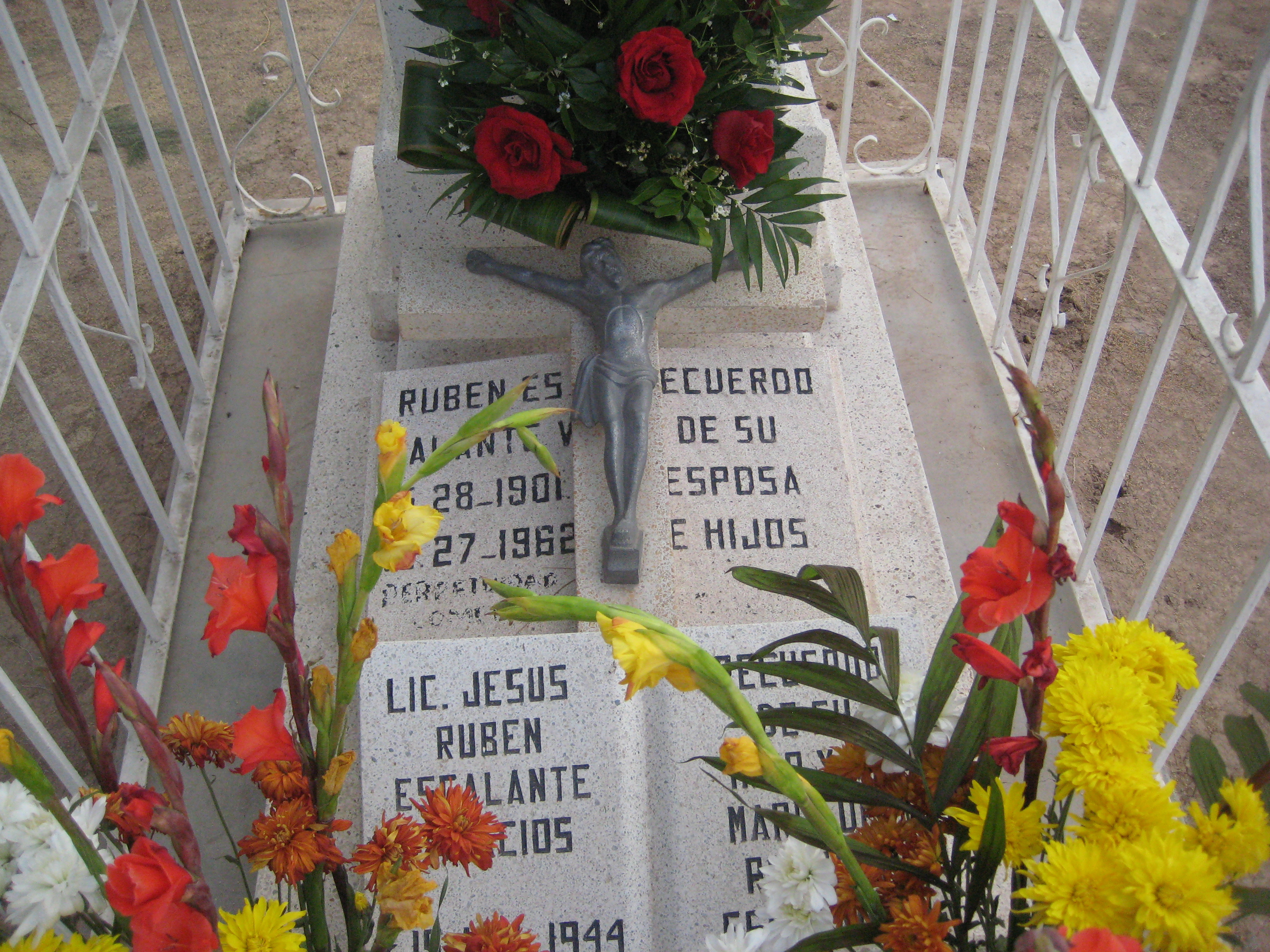
Tio Ruben passed away on December 27, 1962. My mom’s cousin, who grew up across the border in Calexico, saw him for the first time at the funeral. It seemed like such an odd thing. However, I am noticing more and more how families concentrate on their nuclear family while their extended family drifts away. Even when that family is only 10 miles away.

IMG_3827

Panteon Municipal Dos, Mexicali.

In 2009, my mom and I were escorted to the final resting place of Tio Ruben, Tia Cuca and their son, Ruben, Jr. I’ve been searching for a picture of the dates on her gravestone, but I don’t think I have one. She lived a long time as a widow. She passed at the end of the 1990s.

I had met Tia Cuca several times. She was very welcoming and kind. Her son has that same openness. Together, she and Tio Ruben built a home that was more stable, more constant than that of many of his siblings. And that’s a lovely legacy.


Happy Mitochondrial DNA Day

Human mitochondrial DNA was the first significant part of the human genome to be sequenced. In most species, including humans, mtDNA is inherited solely from the mother. – Wikepedia.

I’m going through my pictures from my recent trip and I come across two pictures that make me smile.

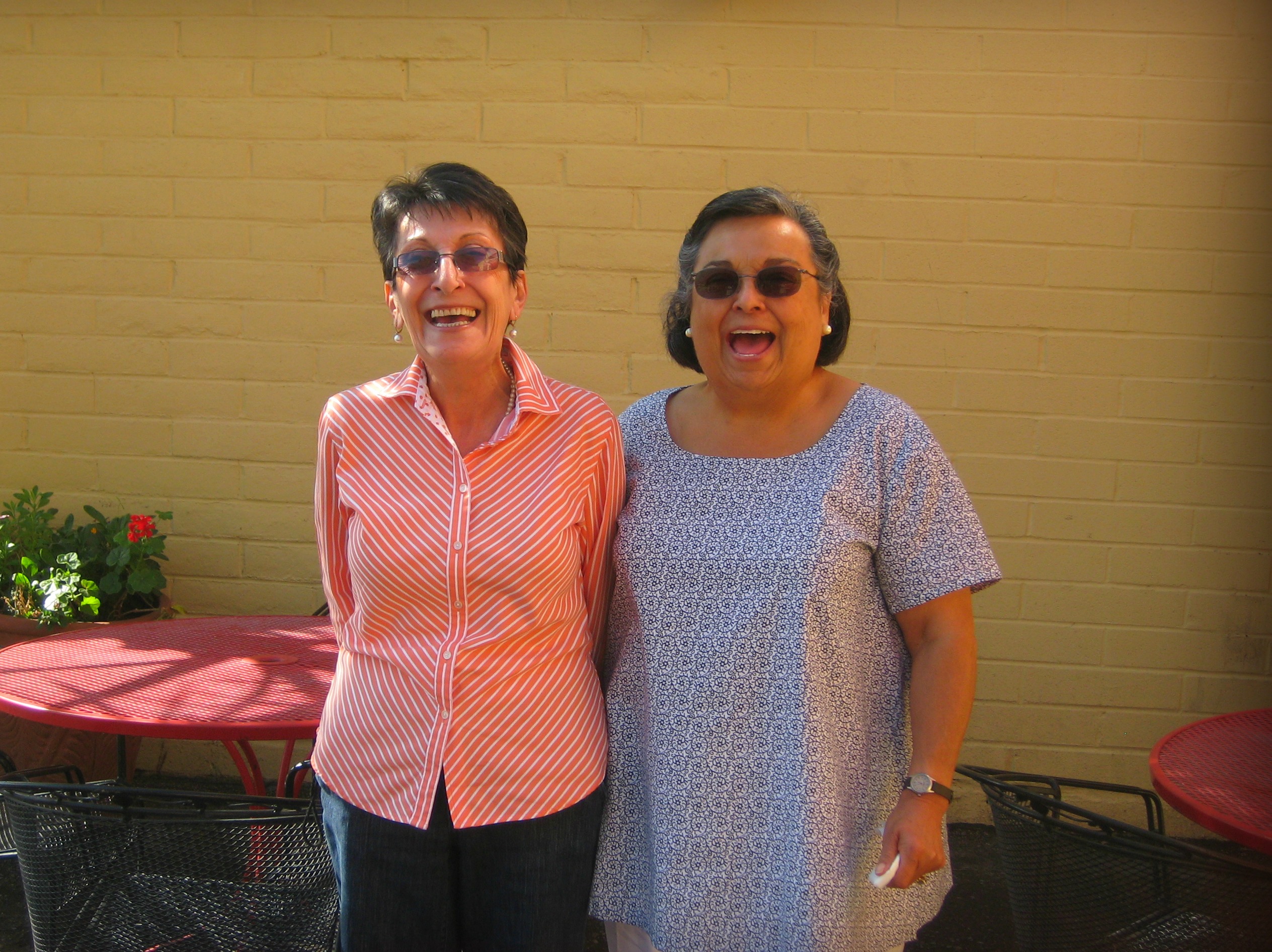
We went to Rigo’s Mexican Restaurant in Tucson, Arizona, on my last day. We had finished a yummy breakfast. It was time to take pictures. I had to get a picture of my aunt, whom I call Tia, and my mom. They take a serious picture, and then someone says something very funny, and they laugh.

It’s this laughter that annoys my father to no end. Mom and Tia can sit at a table together and get into very animated conversation, punctuated by giggles and belly laughs. He wants to run home. But when I visit, he has to take it, while I bask in the fun.

When they get like this, I realize that they are channeling their mom, Nela. I research my mom’s paternal branch of the family. It has been my focus for 20+ years. However, it is their fun-loving mom that is present when their mitochondrial DNA get together and feed off of each other.

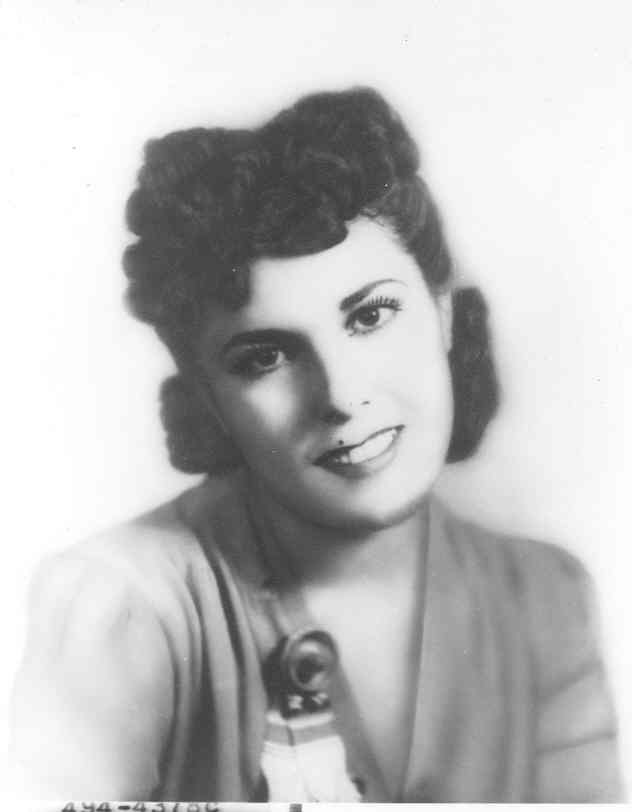
Manuela Ismael, 1940ish.

Manuela Ismael, 1940ish.

Out of the three daughter’s Nela had, and the five granddaughters she had, there are less than a handful of great-granddaughters. I have a son. I love him dearly, but having no daughters has caused some introspection to know that a DNA chain that has existed for thousands of years dies with me.

I talked with an uncle this week. He reminded me of others I have talked to about family history .”But is that person from the Escalante branch?” Families don’t have one parent at each generation break. They come from so many people. I’ve never been one to poo-poo the various branches that make up my entire tree. If I can find a person who was related waaaay back, on that branch you have to climb out onto to reach, they are family. My gene pool.

My Tia and Mom, Rigo's, Tucson, Arizona.

My Tia and Mom, Rigo’s Restaurant, Tucson, Arizona.

See the nice tranquil pose? Then one of us says something completely inappropriate. One of our Mitochondrial DNA responds. The rest laugh in agreement.

There it is!

There it is!

I can write-up hundreds of posts that involve the struggle to deal with love, best intentions, abandonment, drama, mid-life crises, joy, hate, etc. But the very basic essence of who we are starts with two people. And their two people. And so on. And so on.

I appreciate my grandmother who left me my great mom and her sister. And if you stop for a moment, you can feel her there too. Every time we get together.


The House of David

David Romo Senior and his wife, Anita Escalante de Romo, had 17 children over the course of their marriage. The only child to thrive and have a dynasty of his own was their first son, David Romo Jr.

The Romo family had a small tradition of marrying cousins. I had no idea that Sonora, Mexico was so “Jane Austen” in their customs. This is not limited to the ones we see in these posts either. I’m finding it with many different branches of their family.

That being said, David Jr had a cousin brought up from Mexico to see if they could make a match. The girl who came up was his Tia Juana’s daughter, Carmela. They married in 1910, apparently in Sonora. She came back David’s bride, but escorted by her father.

Carmela Martinez de Romo's travel manifest.

Carmela Martinez de Romo’s travel manifest.

The couple followed their elder Romo and Escalante family members. They all ended up in Orange County by the time the men register for the draft of WWI in 1917.

David Romo Jr and Carmela Martinez de Romo.

David Romo Jr and Carmela Martinez de Romo.

Carmela and David Jr. Photos courtesy of Rose.

Carmela and David Jr. All photos courtesy of their granddaughter, Rosemary.

Carmela had no plan to marry this man who lived so far away from her family in Sonora. However, here she was. These two started their lives and proceded to have their children.

(For reference to my first cousins, David Jr was a first cousin to our grandfather Albert, and David was 22 years his senior.)

David had many jobs. He’d been a barber with his dad and uncle. They had a pool hall in Santa Paula. By the time he was settled with Carmela, he had different jobs. He was a barber in the 1920 US Census. He worked as a mechanic at a creamery in the 1930 US Census.

Their family grew over the years. Here are their children.

Ralph Romo

Ralph Romo – 1911- 1994

Ralph was married twice, having one stepson.

The second child was Elia. She lived only two years. She was such a delightful child that Tia Panchita would name her first daughter after this child. According to Rosemary, the family was so devastated by her death, that David went to the church, laid himself on the floor and prayed for another daughter to bless their home.

Elia Romo's Baptismal Certificate.

Elia Romo’s Baptismal Certificate.

The next child was the answer to that passionate prayer.

Anita Romo. 1920 - 1980

Anita Romo. 1920 – 1980

Anita was just lovely. She married Benito Rubalcaba. They were not married long before he passed away. They had one child. In this picture, Anita had died her hair dark. Her natural hair color was on the blonde side. Apparently she got some grief for being a light-complected Mexican-American. Later, she embraced her blonde, going platinum.

Robert Romo - 1923 - 1980.

Robert Romo – 1923 – 1980.

Robert was next. He worked as an officer for Orange County. He married Charlotte Noriega. They had one daughter and three sons.

Ruben Romo - 1926 - 1982.

Ruben Romo – 1926 – 1982.

Ruben was a Shoeshiner in Santa Ana. While he had no spouse or children, in town he was so popular there was a write up about him in the Orange County Register after his passing.

Carmela and David had another pregnancy in 1927. They had two baby boys, David and Manuel. The babies were born on June 8. Manuel died on August 13, David on August 22. The cause of death was “not thriving.”

I’m sure you can see a theme of the name “David.” A strange thing I had found was all of the boys had the first legal name of David, then their middle name, which was the one they went by.

David Jr really wanted his sons to join him as mechanics in his business. They wanted to do their own things though. He was alone in this venture.

On paper, I had discovered that Carmela divorced David before 1940. When asking Rosemary about this, she explained the situation.

She said it wasn’t so much that Carmela didn’t love David. They were living in the Depression. Many people were unable to pay for the services he provided. They bartered with different things to pay him. When monies did come in, he was extravagant with them. She could not get him to understand her concerns, and she divorced him.

David Romo Jr, late 1930s.

David Romo Jr, late 1930s.

This picture of David was toward the end of his life. Rosemary said that while the doctor put his cause of death as Tuberculosis, which killed many in his family, the real cause of death was a broken heart. He passed away on April 9, 1941.

David should have had a hundreds of nieces and nephews. However, his legacy was to allow his family name to continue. He had healthy children and grandchildren. However, no man has children all by himself.

Carmela went to live with her kids for a while before getting remarried. She lived for a very long time. But that story will need to be something for another day. Carmela’s tale takes more time to tell.


I May Have Failed to Mention Something Big

When I was about a month away my trip to California, I received an email on this blog. It was from a very nice woman who was doing some research and “Googled” the Barbachano family. Lo and behold, my blog came up with Maria Barbachano’s name. It also mentioned the Escalante’s, and this woman’s great-grandmother, Ana.

After whirlwind emails and wonderful phone calls, my sweet new cousin Rosemary did something that no one else in the world could do for me.  She told me their stories. She told me the “why’s” and “how’s” of their lives. And then, she showed me these wonderful people whom I love.

The pictures in this post will be of people you have already read about.  But finally, faces to names!

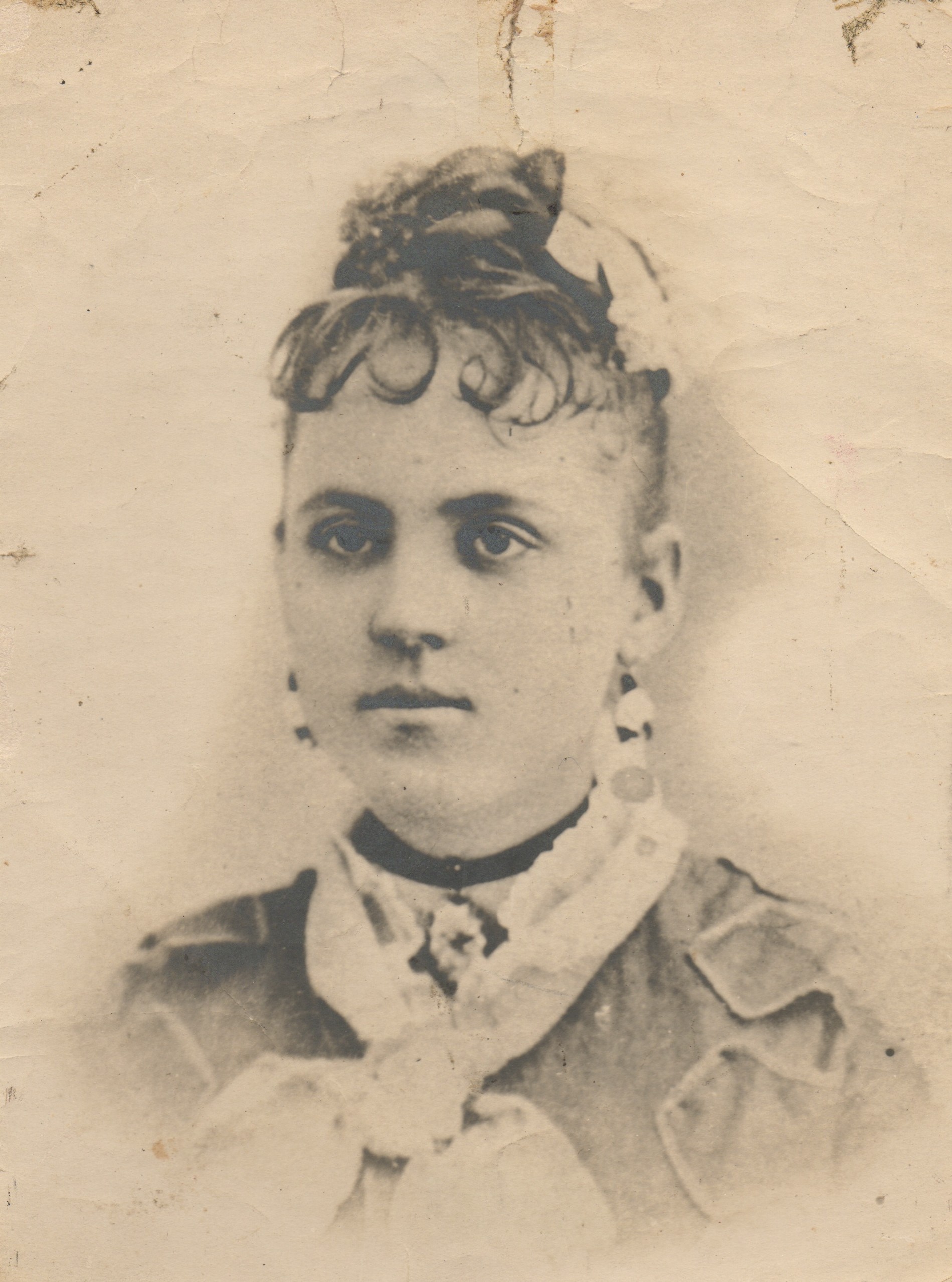
Ana Escalante de Romo as a young woman.

Ana Escalante de Romo as a young woman.

Rosemary calls her Anita, so I will call her Tia Anita from here on out. This is my great-grandfather Leonardo’s full sister. She was born in 1862, my guess is this picture was from the 1880s.

[Personal shout out here – my mom looks very much like her mom. But people have told her she has the eye shape of the Escalante’s. When I showed my mom the above picture, she said “the eyes!” My son has the same shaped eyes. This was a powerful thing for us to see.]

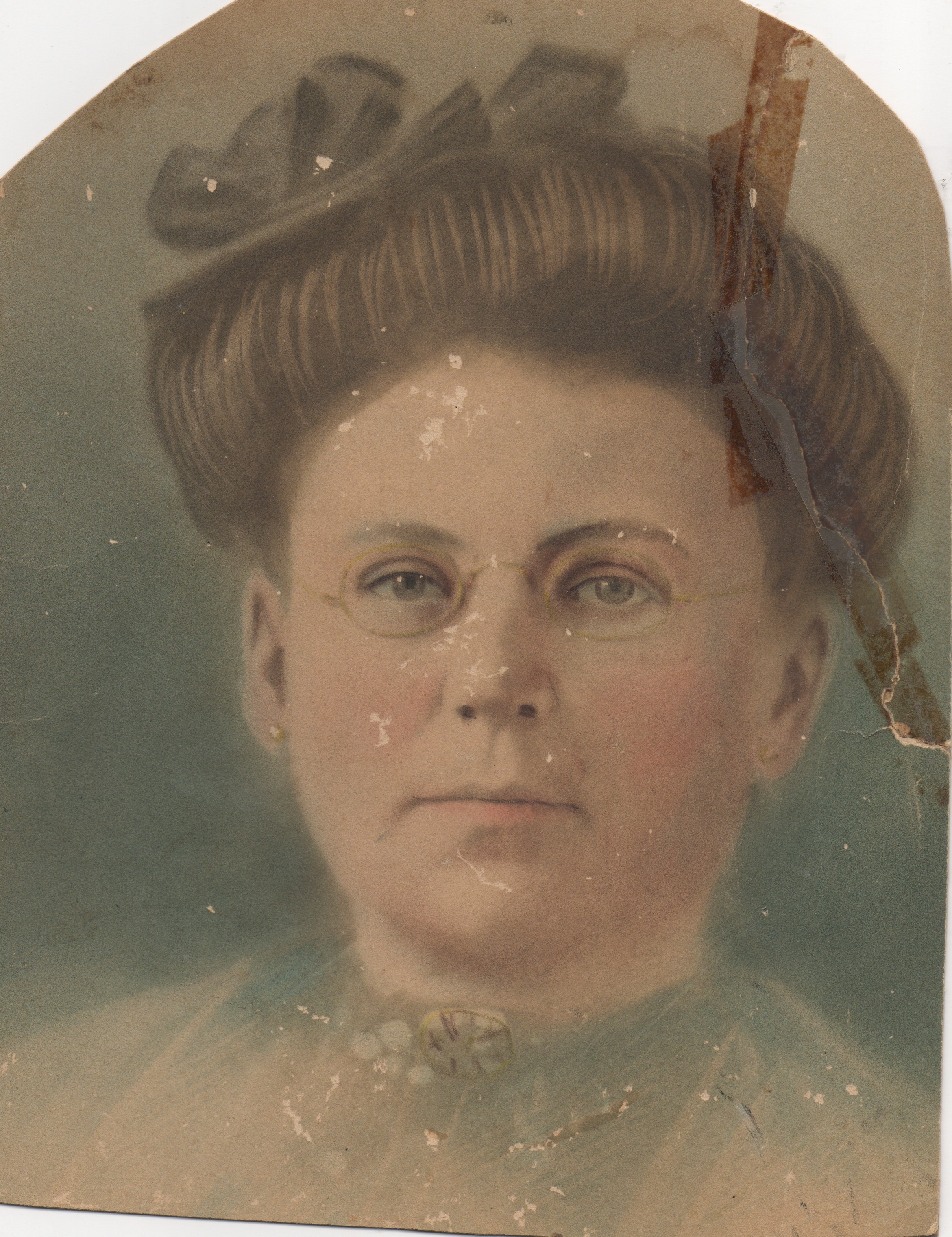
Anita Romo - early 1900s?

Anita Romo – early 1900s?

Tia Anita started wearing her glasses. It’s amazing how women’s fashions changed.

Anita was married to David Romo, Senior.

David Romo, Sr. (before 1930)

David Romo, Sr. (before 1930)

He still has thick wavy hair. And that moustache!! And since we are here, David Sr had a sister as well. She was named after their mother.

Juana Romo de Martinez, Ures, Sonora.

Juana Romo de Martinez, Ures, Sonora.

Juana is the mother of Carmela Martinez, David Jr’s wife.

[David and Anita were cousins a few times removed. They share a great-grandfather, Juan de D. Bustamante. So I guess this is Anita’s cousin and sister-in-law.]

Tia Anita had 17 pregnancies, but very few children lived into adulthood. Her son, David. Jr, did. (You will see him in another blog entry). She had Manuel, Mercedes and Rudy, the only children that lived a significant amount of time.

Manuel Romo

Manuel Romo

According to Manuel’s Death Certificate, he had a wife that preceded him in death. Rosemary does not know her name, and it is not on that certificate either. His brother, David, had to recover the body from Banning, CA. where he lost his fight with tuberculosis.

Mercedes with her husband, Frank, and son, Frank, Jr.

Mercedes with her husband, Frank, and son, Frank, Jr.

Lovely Mercedes and her movie star handsome husband, Frank Carrillo. Their son was Frank David Carrillo.

Mercedes had a younger brother with whom she took a picture. His name was Rodolfo but he went by Rudy.

Rudy and Mercedes. Ventura County, between 1909-1910.

Rudy and Mercedes. Ventura County, between 1909-1910.

Arent’t they darling?? Now how can I say where and when this was taken? Well, it is because I have a similar picture of my grandfather, Albert, with his brother Ruben.

Alberto and Ruben Escalante. Ventura County.

Alberto and Ruben Escalante. Ventura County.

My grandfather can’t be more than three years old in this picture. Both families still lived in Ventura County in 1910. Also, if you look carefully between the two pictures you will see Alberto and Rudy are sitting on the exact same chair. Coupon day at the photographer? I’ve always thought my grandfather named one of his sons after his cousin Rudy, who would have been a playmate, as they were only about a year difference in age.

Rodolfo "Rudy" Romo.

Rodolfo “Rudy” Romo.

Here is Rudy with his parents, David Sr and Anita.

David Sr, Rudy and Anita.

David Sr, Rudy and Anita.

Rosemary remembers Anita always being in black. Her mourning was probably a permanent state. In fact, they are quite the serious bunch in this picture. But then again, the Depression was going on…..

Rosemary also has pictures of the Barbachano family. She said that Tia Anita was close to her sister’s family. They all met with each other. While the two families differed socio-economically, there was never any prejudice on that score.Just love. Anita died at her sister Maria’s house in San Diego.

The Romos and Escalantes were together for almost 20 years between Ventura and Orange Counties. I asked Rosemary if she had any pictures of my grandfather or his siblings. She couldn’t find any. Rufina took her children to Calexico and a vacuum was created. If Leonardo had lived longer, we might have known our Barbachano cousins too. But that wasn’t our path.

These pictures were of Anita and her children with whom no familial legacy endured. However, there was one person with whom all of the hopes and dreams of the Romo family were realized.

To Be Continued……I love cliff hangers.


Dr. Cuate. Paging, Dr. Cuate.

During our trip to Calexico, we were able to visit with my mom’s first cousin, Leonardo. This Leonardo is Tio Ruben’s son. I had many questions for him. One was to inquire about the cousin, Dr. Leonardo Sepulveda. This doctor was Tia Maria’s son who was supposed to have moved to Mexicali to start his practice.

I have been chatting with Dr. Sepulveda’s cousin from his father’s side. Her name is Sara. She is a delightful woman. She is in her late 80s, but she is full of life. I admire her very much. Her kindess to my familial inquiries has been delightful.

She had mentioned that her mother, Elipidia Villalovos Aguirre, was half-sister to Hipolito. At one time, her mother went to see Dr. Sepulveda, but he was rude and didn’t want to chat with his aunt. That made me sad, so I decided further inquiry was needed.

So sitting in Leonardo’s home in Calexico, I brought up this subject.

“I’ve been told that your cousin Dr. Sepulveda was in Mexicali with a pediatric office. Did you ever see him? Know him?”

Leonardo’s wife looked at me. “Well, of course!”

I stared back at her. “Really? What can you tell me about him?”

“He’s dead.”  She smiled, and I cautiously laughed.

“No, really. Did you see him much?” My mouth had a difficult time speaking these words because it had dropped to the floor.

Apparently, yes. Dr. Sepulveda was a pediatrician in Mexicali. These two took all of their children to see him throughout their childhoods. WHAT???

They called him “Cuate.” I must have looked puzzled. (Again, my deep shame of not knowing Spanish). “You know,” she said “because he was a twin.” I nodded my best confident nod.

According to http://www.spanishdict.com, Cuate means twin in Mexican and Central American Spanish. Lovely.

She continued that he had been married twice. His first wife, Alicia Vildosola, was quite pretty. He had three daughters by her. Then she died. He remarried his nurse and possibly had two more children with her. With a side glance she mentioned that Dr. Sepulveda was also an “enamorado,”or a “lover.” I think this was a bit of gossip and a bit of truth.

I sat there in silence. All of this information was wonderful. “What’s wrong?” she asked me.

How could I express my shock and dismay and outrage and sadness at that moment? The radius of the Calexico/Mexicali area isn’t very big now. In the 1950s, it had to be smaller. And yet, my mom never met her cousin, Dr. Sepulveda. Or any of his, if they had dropped by to say “hola.” The outrage!

Then I contemplate these days. After my grandfather died, many in the family never got together again for holidays. Familial disputes, moving, simply ‘not enough time’ managed to get in the way of family seeing each other. I am grateful for email and Facebook in that I get to see my cousins again and their children. Here is to hoping we all “friend” those family we’ve lost along the way. Even if they are just in our own backyard.

PS – And while this post sounds so calm, for a week I would outburst “Cuate!” Which sounded more “Kwah-tay!” The whole concept of him being close enough to get to know was SO disturbing. See? I’m wound up all over again!